
The Value of the Bees
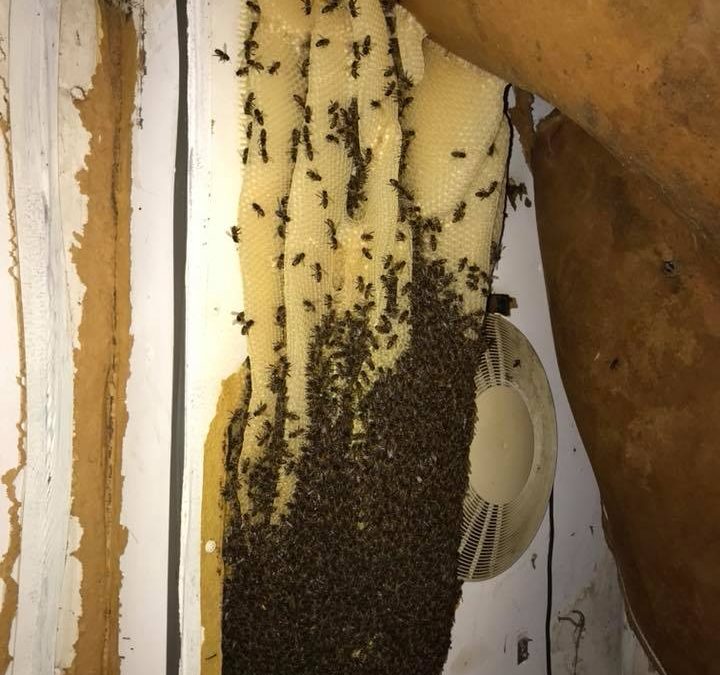
Judging the value of a wild colony isn’t as straightforward as you would think. Some try to base the value on the going rate of new colonies. Beekeepers typically pay $125-250 for a new colony of bees (and that’s just the bees, not the equipment). Yet, these bees have been bred to have desirable traits like docility, disease resistance and honey production. They should also be guaranteed to be in good health and have a queen.
Wild rescue colonies make no such promises. They may be ill-tempered (a trait that will not reveal itself until the colony is established), unhealthy and/or Queenless. Resolving these problems often costs the beekeeper money and time. Additionally, if the colony is in poor health, they put the beekeeper’s apiary at risk. The rescued colony could easily spread disease to the beekeeper’s other hives. On the other hand, a healthy wild colony may have rare genetic traits perfected by nature that are essentially priceless to the beekeeper. The problem is, only time will tell the difference.
A good analogy for wild rescue bees is that they are like cultivating a fruit tree from a wild seed. The grower must invest time and money into caring for this tree while it reaches maturity without any assurance that it will pay off. The tree may produce only small, flavourless fruit or none at all. On the other hand, it could yield a unique variety of fruit not available in stores.